Looking for a neighborhood where you can step outside to river views, stroll past 18th-century buildings, and still enjoy an easy daily routine? Old Town Alexandria offers a rare mix of history, walkability, and waterfront living that appeals to buyers who want charm without giving up convenience. If you are thinking about buying or selling here, it helps to understand how the area actually works day to day. Let’s dive in.
Why Old Town Alexandria Stands Out
Old Town is Alexandria’s historic urban core, founded in 1749, and much of it sits within the National Register Historic District. According to the city, more than 200 structures built before 1820 still survive, most of them in Old Town. That gives the neighborhood a sense of place that is hard to replicate anywhere else in Northern Virginia.
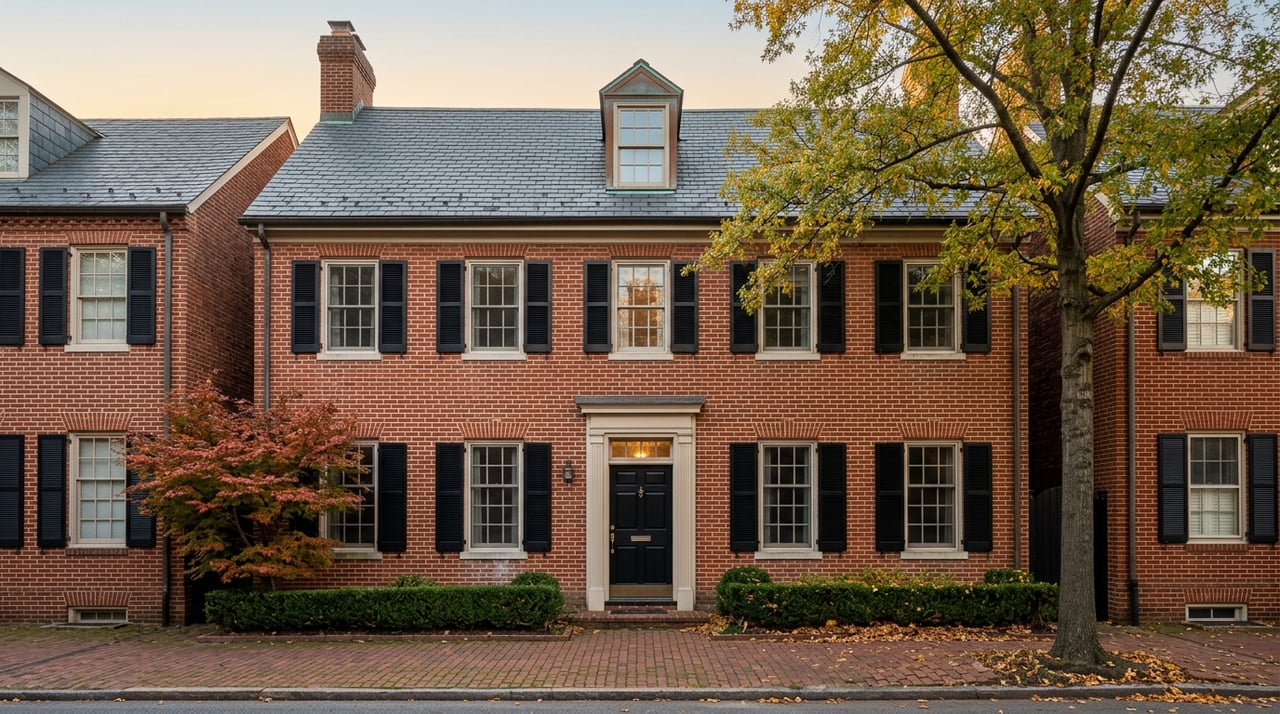
The setting is not just historic on paper. As you walk through Old Town, you notice brick sidewalks, preserved facades, and a street grid that reflects centuries of change. The area feels established and active at the same time, which is a big part of its appeal for both full-time residents and buyers relocating to the Alexandria market.
Waterfront Living Has Real Daily Appeal
The Old Town waterfront is more than a pretty backdrop. The city describes Marina & Waterfront Parks as 23 acres of parks, trails, shops, dining, historic sites, and marina space. That gives residents easy access to open space and public amenities right along the Potomac.
Waterfront Park currently includes an open plaza, a waterfront promenade, shade structures, and a flexible event area. That layout supports everything from a quiet morning walk to time outdoors with friends or visiting family. If you picture a neighborhood where the river is part of your weekly routine, Old Town delivers that experience.
The City Marina adds another layer of convenience and activity. The city notes that it offers sightseeing, charter, and water taxi service to Georgetown, Mount Vernon, and National Harbor. For many buyers, that blend of recreation and transportation is part of what makes the waterfront feel so livable.
Historic Character Shapes the Streetscape
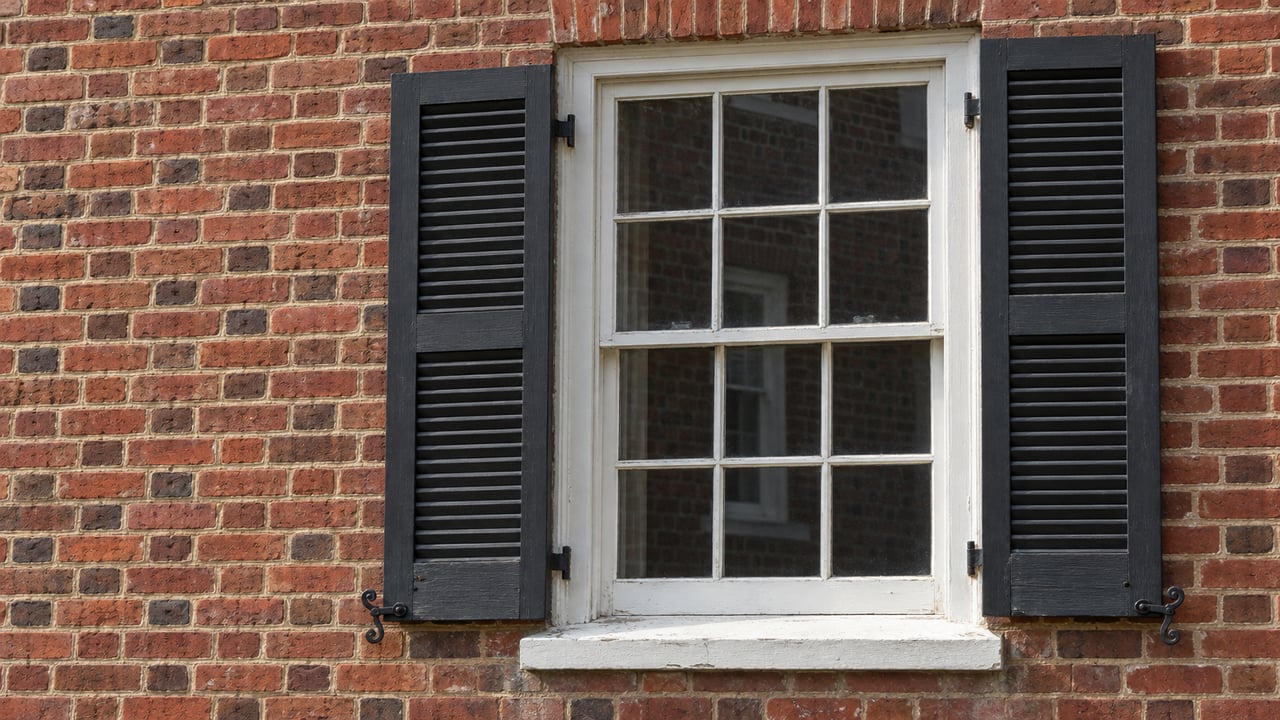
Old Town’s appeal comes with an important practical detail. Old and Historic Alexandria is one of the city’s two local historic districts, and visible exterior changes or new construction generally require approval from the Board of Architectural Review. Interior work does not fall under the same review.
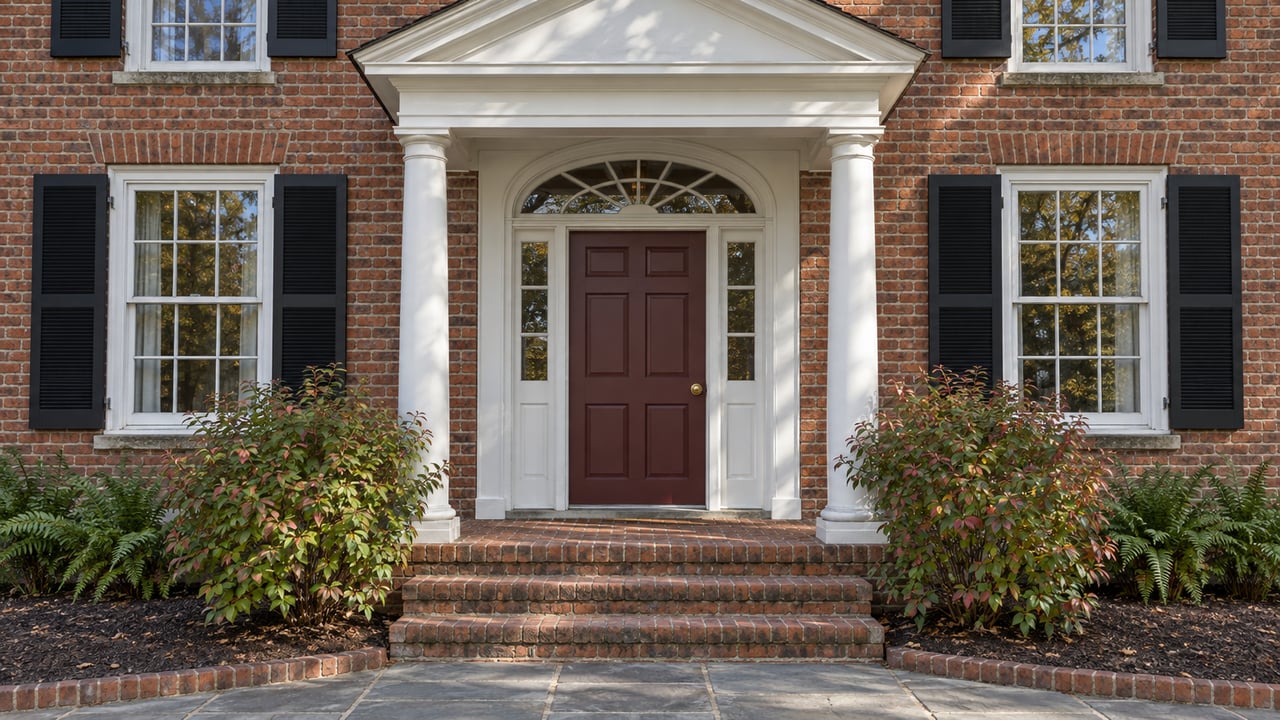
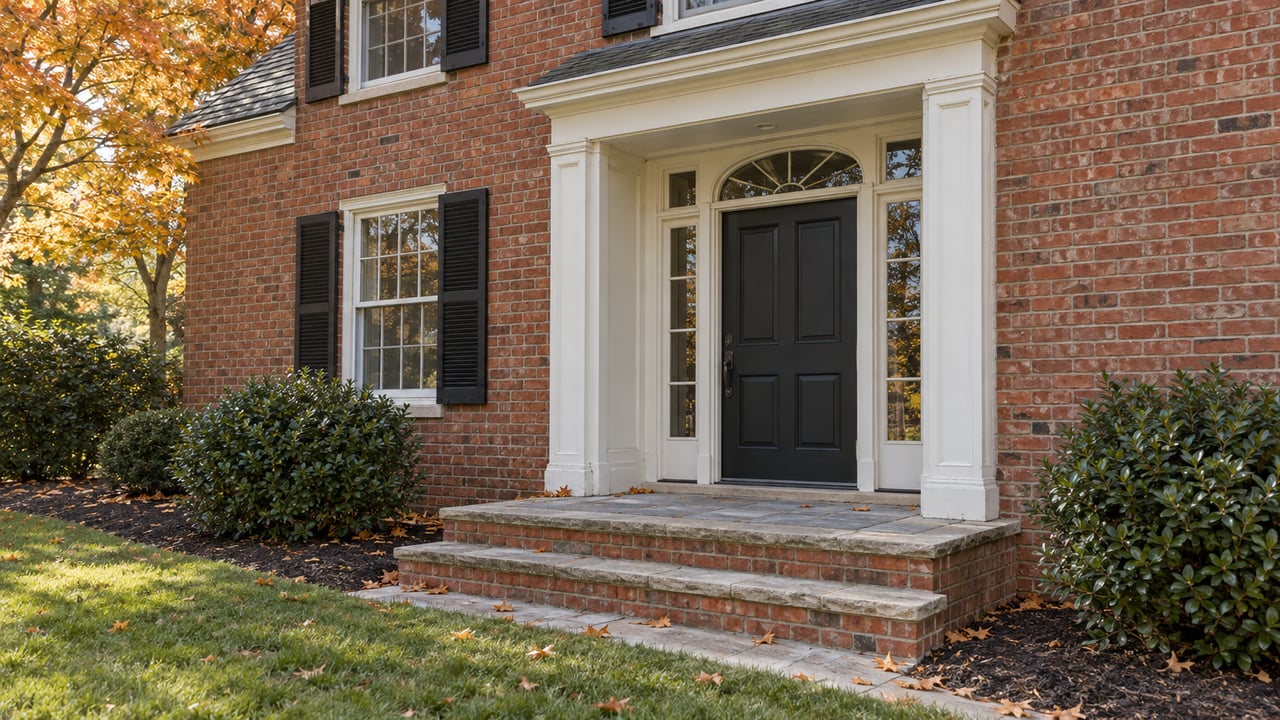
That matters if you are buying a historic townhome or preparing to sell one. The city’s design guidelines address features such as roofs, masonry, windows, doors, stoops, railings, and signage. In simple terms, Old Town trades some exterior flexibility for long-term character preservation.
For many homeowners, that tradeoff is worth it. The review process helps maintain the visual consistency that makes the neighborhood special. Still, if you plan to renovate, update windows, or change exterior elements, it is smart to understand the approval process early.
What Weekend Life Feels Like
One of the best things about Old Town is how easy it is to enjoy your surroundings. Visit Alexandria describes the district as walkable and filled with restaurants, boutiques, galleries, and historic sites, with more than 200 independent restaurants and shops along King Street. That variety gives the neighborhood a steady rhythm throughout the week.
You can see that rhythm clearly on weekends. The Old Town Farmers’ Market operates every Saturday morning year-round at Market Square, and the city says it is the oldest farmers’ market in the country held continuously at the same site. For many residents, the market is a regular part of neighborhood life, not just a tourist stop.
Seasonal events also help shape the local calendar. Old Town is known for traditions like the Scottish Christmas Walk, Holiday Boat Parades, the Alexandria Art Festival, cherry blossom season, and Fourth of July events. Together, these experiences make the neighborhood feel active and connected without losing its historic identity.
Dining, Shopping, and Culture Nearby
King Street remains one of Old Town’s defining corridors. Along and near it, you will find a wide range of independent businesses, from coffee shops and bakeries to galleries and dinner spots. Visit Alexandria highlights examples such as Barca Pier, Ada’s on the River, The Wharf, Misha’s, Maman, 1799 Prime, and Vermilion.
That mix matters in real estate because it supports the lifestyle many buyers want. You are not just buying a home. You are buying access to a neighborhood where dining out, meeting friends, and spending time on foot can be part of everyday life.
Old Town also has a strong arts presence. The Torpedo Factory Art Center is described by the city as the nation’s longest continually operated community of publicly accessible artists’ studios in a converted industrial space. The city also says it has the nation’s largest collection of working-artist open studios under one roof and attracts about 500,000 visitors annually.
Getting Around Is Easier Than Many Expect
Historic neighborhoods do not always offer convenient transit, but Old Town is an exception. The free King Street Trolley runs every 15 minutes, 365 days a year, between King Street-Old Town Metro and City Hall/Market Square, with stops every couple of blocks. That can make errands, dining, and commuting easier without relying on a car for every trip.
The city also notes that Alexandria has its own Amtrak station next to King Street Metro. In addition, residents can use DASH bus service, VRE commuter rail, Metrobus, and biking and walking options. For buyers balancing charm with practical transportation needs, this is a major advantage.
If you are relocating to the area, this kind of access can make Old Town feel more flexible than you might expect from a historic district. It supports commuting into the broader region while still allowing you to come home to a distinctly local setting.
What Homes in Old Town Look Like
The housing mix in Old Town is best described as historic, attached, and limited in supply, with some newer infill mixed in. The city’s zoning information notes that many parcels are townhouse or townhouse-like. That means buyers will often encounter classic attached homes that reflect the neighborhood’s age and layout.
At the same time, not every home is centuries old. The city points to Aidan Old Town, a 94-unit condominium community, as an example of contemporary condo development in the neighborhood. So if you love the location but prefer newer construction or lower-maintenance living, there are some options to explore.
This mix can create a broad appeal for different buyers. Some want the architecture, scale, and detail of a historic residence. Others want a more modern condo near the waterfront and King Street amenities. Either way, Old Town offers a housing story tied closely to lifestyle.
What Buyers Should Keep in Mind
If you are shopping in Old Town, it helps to be clear about your priorities before you start touring homes. A historic property may offer one-of-a-kind character, but it may also come with preservation considerations for exterior changes. A newer condo may offer more modern finishes, but with a different ownership experience than a traditional townhome.
You should also keep the waterfront’s active planning context in mind. The city notes that Waterfront Park is in an interim phase connected to longer-term flood-mitigation and park-improvement work. That does not take away from the area’s appeal, but it does mean the riverfront is an actively managed public space.
In a neighborhood like this, details matter. Block-by-block location, home style, and renovation history can all shape value and fit. Working with someone who understands those differences can help you make a more confident decision.
What Sellers Should Know
If you are selling in Old Town, presentation matters even more than usual. Buyers are often drawn to the neighborhood for its architecture, streetscape, and lifestyle, so your home needs to connect with that story from the first showing or online impression. Thoughtful staging, strong photography, and clear positioning can help highlight what makes your property distinct.
It also helps to set expectations around historic-district realities when relevant. If your home has had approved exterior improvements or offers a particularly strong location near the waterfront, King Street, or transit, those details can add meaningful context for buyers. In a nuanced market like Old Town, a tailored strategy often performs better than a generic one.
That is where neighborhood knowledge becomes valuable. Understanding how buyers compare a historic rowhouse, a renovated townhome, and a newer condo in the same general area can shape pricing, timing, and marketing decisions.
Why Local Guidance Matters Here
Old Town Alexandria is easy to love, but it is not a one-size-fits-all neighborhood. Waterfront blocks, interior residential streets, and homes near King Street or transit each offer a different living experience. The right fit depends on how you want to spend your time, what kind of home you prefer, and how you weigh character against flexibility.
For buyers and sellers alike, the most useful advice is specific, not generic. You want guidance grounded in the neighborhood’s housing mix, preservation rules, and lifestyle patterns. That kind of local perspective can help you move with more clarity and fewer surprises.
If you are considering a move in Old Town Alexandria, Betsy Voegtlin offers the high-touch, neighborhood-focused guidance that can help you buy or sell with confidence.
FAQs
What makes Old Town Alexandria historic?
- Old Town is Alexandria’s historic urban core, founded in 1749, and much of it lies within the National Register Historic District. The city also notes that more than 200 structures built before 1820 survive there.
What is waterfront living like in Old Town Alexandria?
- The waterfront includes 23 acres of parks, trails, shops, dining, historic sites, and marina space, along with a promenade, open plaza, and public gathering areas.
What transportation options are available in Old Town Alexandria?
- Residents can use the free King Street Trolley, King Street-Old Town Metro, Amtrak, DASH bus service, VRE commuter rail, Metrobus, plus biking and walking options.
What types of homes are common in Old Town Alexandria?
- Many properties are townhouse or townhouse-like, and the neighborhood also includes some newer infill options such as condominium development.
What should buyers know about renovating in Old Town Alexandria?
- Visible exterior changes and new construction generally require Board of Architectural Review approval, while interior work does not.
What is there to do on weekends in Old Town Alexandria?
- Many residents enjoy the Saturday Old Town Farmers’ Market, waterfront walks, restaurants and shops along King Street, galleries, and seasonal events throughout the year.