In Old Town and Parker-Gray, a renovation plan's schedule often comes down to one judgment, made by city staff during a site visit. Alexandria's Board of Architectural Review policy, amended September 24, 2025, says BAR staff must visit a property before granting administrative approval. Staff check whether the work is visible from a public right-of-way and whether it qualifies for staff-level sign-off. The same policy states that "any proposal to remove historic material that staff believes can be reasonably repaired and preserved will not be approved administratively."
Two owners can ask to replace identical front windows with identical new units. If staff thinks the old sashes can be saved, one of those requests leaves the fast lane. For anyone buying or selling a home in the Old and Historic Alexandria District or the Parker-Gray District, the condition of the existing historic fabric works like a calendar. It decides how quickly post-closing plans can start, and how much explaining a seller's past projects will need.
The Site Visit Decides Which Calendar You're On
The City of Alexandria's historic preservation page describes three levels of review: no BAR approval, staff administrative approval, and approval at a public hearing. The policy's opening line sets the priority. It says the board's primary purpose is "to preserve historic material, which in many cases can be retained and repaired, rather than replaced."
The time gap between the tracks is large. The city says complete staff-level applications normally take fewer than five business days, though zoning review can add time. A hearing runs on a fixed schedule. On the 2026 BAR hearing schedule, October 13 is the deadline for a complete application to reach the November 18 hearing, and the schedule warns that missing information can push the hearing date. Hearing applicants also have to notify adjacent property owners.
The order of steps matters too. The city recommends getting BAR administrative approval before applying for a building permit, to avoid delays at the Permit Center. It also notes that full replacement of any material, in-kind replacement included, typically requires staff review. Swapping old for identical new can still need sign-off.
Fees are modest next to the timing question. Under the FY2027 Planning and Zoning fee schedule, effective July 1, 2026, a residential administrative approval costs $121 and a residential alteration with no added floor area costs $150.
Where the 2025 Chapters Draw the Lines
Alexandria spent 2025 adopting new design guideline chapters. Each one places common projects on one of the three tracks, and every threshold below comes from those chapters or the September 2025 administrative policy. For residential projects in Parker-Gray, the city points owners to that district's Residential Reference Guide and adopted chapters instead of the administrative policy.
| Project | No BAR review | Staff review | Public hearing |
|---|---|---|---|
| Roofing | Repair or in-kind replacement under 25 sq. ft. | 25 sq. ft. or more | Not specified as a hearing item |
| Solar panels | Building-mounted, not visible from a public right-of-way | None listed | Visible systems |
| Paint | Repainting non-masonry or already-painted masonry | None listed | Painting, staining or limewashing unpainted masonry |
| HVAC condensers | None listed | Minimally visible ground units in side or rear yards | Waiver of screening for visible units |
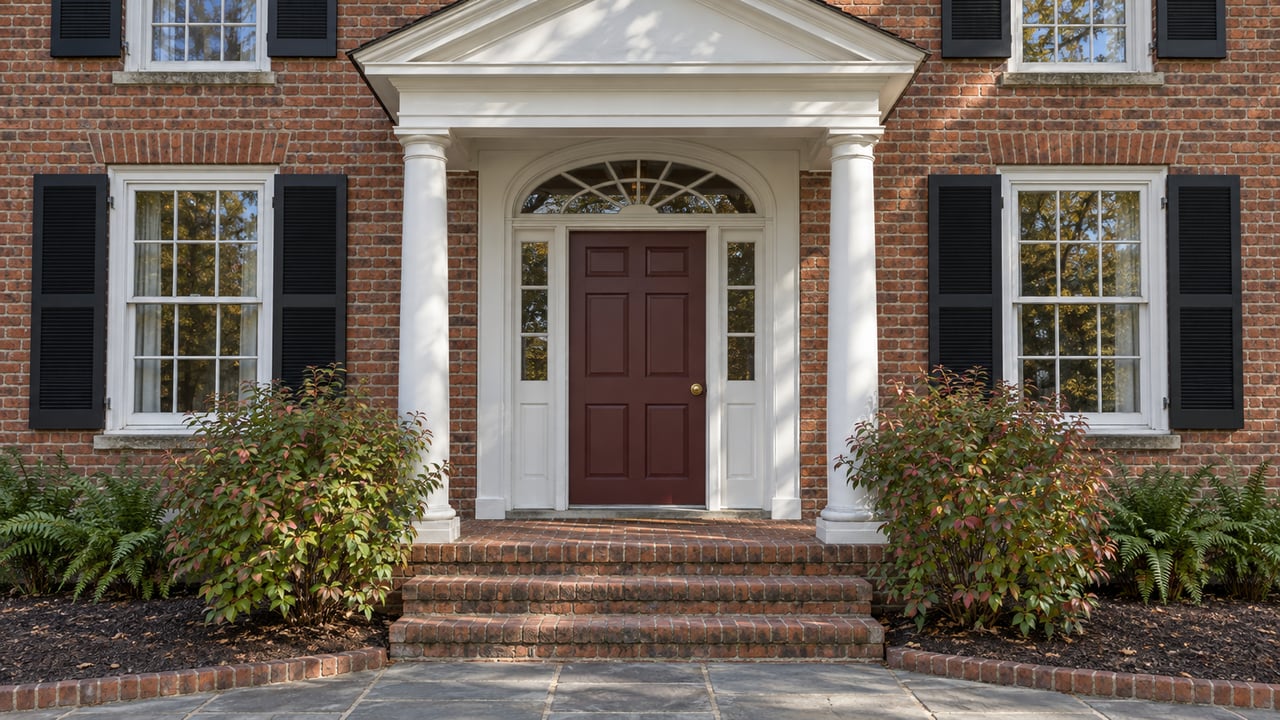
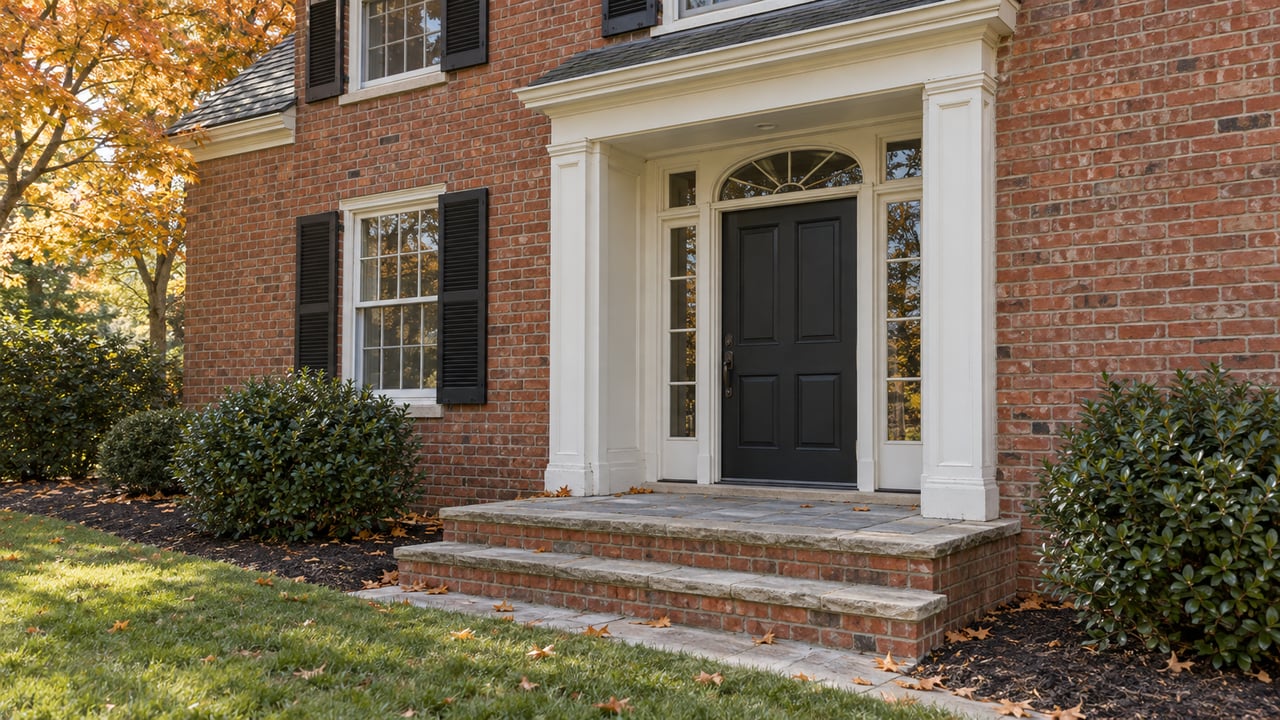
| Doors | Concealed or below-grade replacements, simple hardware | Nonhistoric door replacement | Historically significant doors, adding door elements, removing a visible door |
| Storm windows | Yes | None listed | None listed |
The BAR does not generally review field-applied paint colors, so a new front door color usually falls under ordinary maintenance. Visible solar panels should be low-profile and sit close to the roof slope. The door rules were debated before adoption. ALXnow reported in September 2025 that the revision was proposed to require review of visible doors in both districts. The adopted chapter splits that review between staff and the full board.
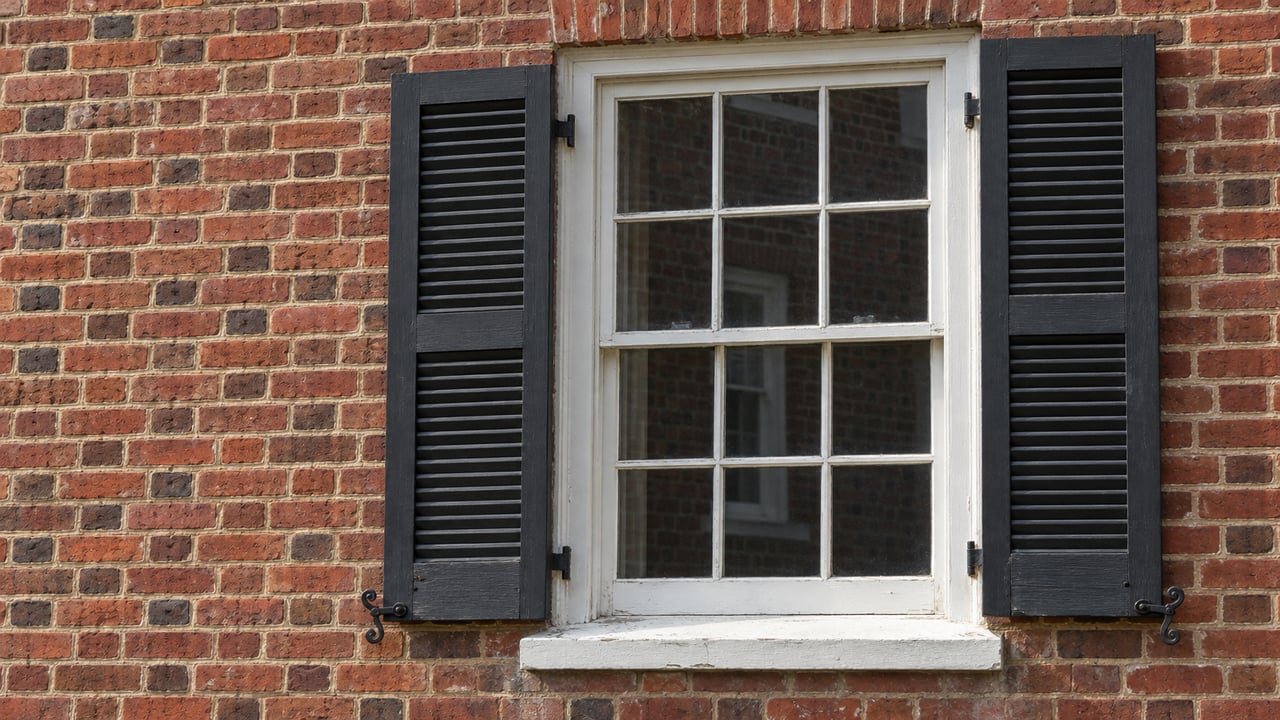
Windows are where the repairability test hits hardest, because the chapters sort them by visibility, building age and condition at the same time. Insert or pocket replacements are not considered appropriate, and administrative review requires cut sheets. Any window replacement in the historic districts other than a sash kit also needs a building permit. In the Old and Historic Alexandria District, street-facing replacement windows on pre-1932 buildings are generally wood. Non-street-facing ones can be wood or aluminum-clad wood. On Parker-Gray's early buildings, street-facing windows should also be wood. On non-street-facing sides they may be wood composite, aluminum-clad wood or fiberglass, but not hollow vinyl or vinyl cladding. For Parker-Gray buildings from after 1931, distance from the property line matters. Street-facing windows less than 15 feet from the line face tighter material and configuration rules. At 15 feet or more, any material, operation or configuration is allowed.
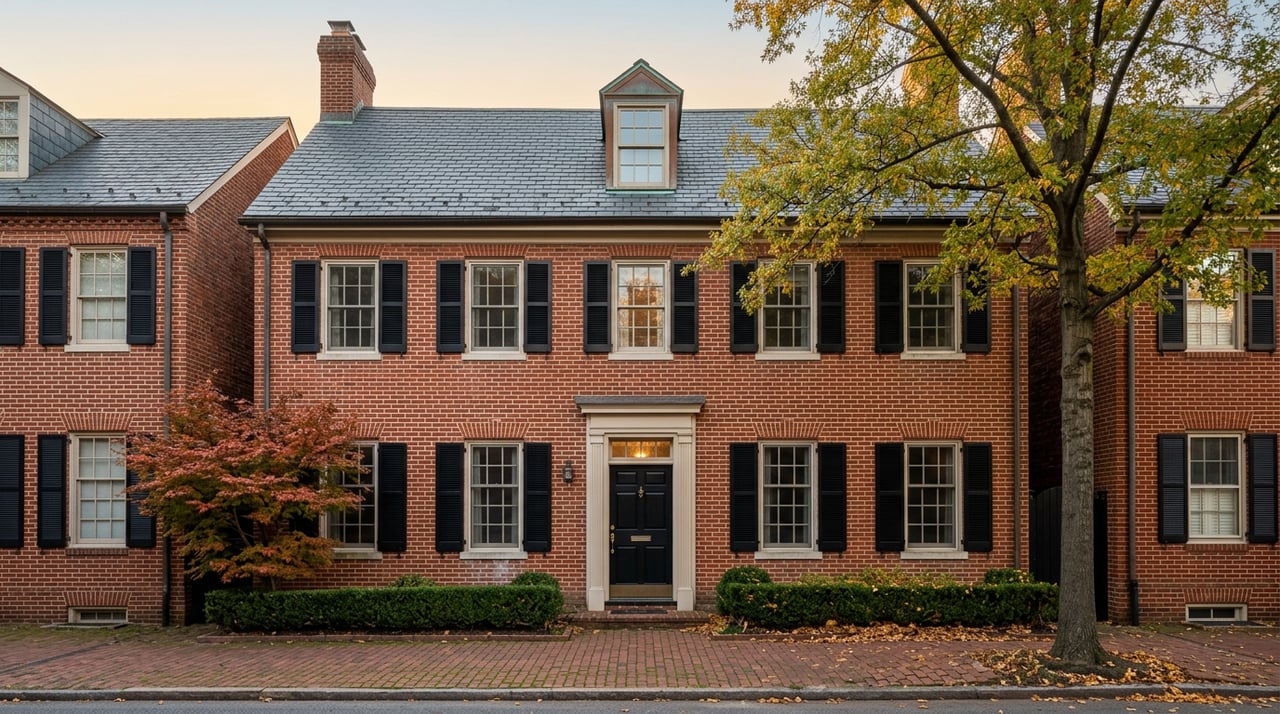
So a buyer who plans to replace drafty front windows on an older Old Town rowhouse is planning a project whose track depends on whether those windows count as repairable. That is exactly the call staff makes on site.
How the Rule Shows Up at the Contract Stage
For a buyer, the main exposure is schedule. The city's administrative policy says staff may need to inspect the property and decide whether historic material can be repaired, and that separate city permits may also be needed. A closing date and a move-in renovation can be months apart if the windows, door or roof end up on the hearing track.
For a seller, the exposure is history. The city requires BAR approval for visible exterior alterations in its two locally regulated districts. It requires a Permit to Demolish for demolition or capsulation over 25 square feet whether or not the work is visible, and interior work does not need BAR approval. In a 2021 letter to historic district owners, the city warned that unauthorized work can bring fines or other penalties and a requirement to correct the violation. It added that it can also affect selling or refinancing a home or filing insurance claims. The specific thresholds in that letter predate the 2025 chapters. The consequences it describes are still the city's stated position on unapproved work.
Both sides can check a property's record with public tools:
- Confirm the district. The city's Historic Preservation Map Viewer shows whether a property sits in the Old and Historic Alexandria District or the Parker-Gray District, the two locally regulated districts.
- Search past hearings. The city's Dockets and Webcasts archive covers meetings from 2005 onward and can be searched by address or case terms. Final BAR hearing dockets link to each case's staff report.
- Check permits. The city's APEX portal handles permit and land-use application status and has an advanced search. The separate "Check a Permit" form only confirms validity by permit number.
A seller who gathers this paperwork before listing can answer questions that would otherwise come up in the middle of a negotiation. On the Betsy Homes seller services page, that kind of preparation sits next to the staging work Old Town townhomes need.
The Approval Clock Could Get Longer This November
Right now, a BAR approval expires 12 months after final approval if work hasn't started and been diligently and substantially pursued within that time. For a buyer who closes, then needs time to hire a contractor and line up financing, 12 months can be tight.
A proposed zoning text amendment, presented at a September 10, 2026 community meeting, would extend the validity of Certificates of Appropriateness and Permits to Demolish from 12 to 36 months. It would also let rooftop mechanical screening be approved administratively, create an appeal process for administrative approvals, and clarify BAR standards for routine maintenance, repairs and replacement. The presentation schedules Planning Commission and City Council hearings for November. The city's Legistar calendar lists a Planning Commission public hearing on November 5 and a City Council public hearing on November 14. As of mid-October, it does not confirm the amendment is on either docket. Until the council acts, the 12-month rule applies. The city still calls the package a proposed amendment.
The same package would change how the BAR and development review line up for larger projects. ALXnow reported in September 2026 that the BAR evaluates architectural appropriateness in the two districts, while the Planning Commission and City Council decide development special use permits. Under the proposal, the BAR could weigh height, mass and scale before a development special use permit hearing.
A broader guideline rewrite is also still underway. The city is posting adopted chapters as they're finished, and the full set is meant to replace the 1993 guidelines, the Parker-Gray Residential Reference Guide and the BAR administrative policies. An August 2026 packet of 11 draft chapters was open for comment from August 5 to September 2. Those drafts are not yet in force, so the 2025 chapters above still govern.
Quick Answers
Can I paint my Old Town house a new color without BAR approval? The BAR does not generally review field-applied paint colors. Repainting non-masonry surfaces or masonry that is already painted counts as maintenance. Painting, staining or limewashing unpainted brick goes to a public hearing.
Do interior renovations need BAR review? No. BAR approval covers visible exterior work and demolition or capsulation over 25 square feet. Other city permits may still apply.
Who decides whether my windows are "repairable"? BAR staff make that call during a required site visit. If staff believes the historic material can reasonably be repaired, removing it can't be approved administratively.
If you're weighing an Old Town or Parker-Gray home and want to know how a property's windows, doors and BAR record could affect your plans or your price, Betsy Homes can help you collect the documents before you commit. Sellers can start with a free home valuation that takes the home's approval history into account.
This article is general information, not legal, tax or financial advice. Consult a qualified professional about your situation.