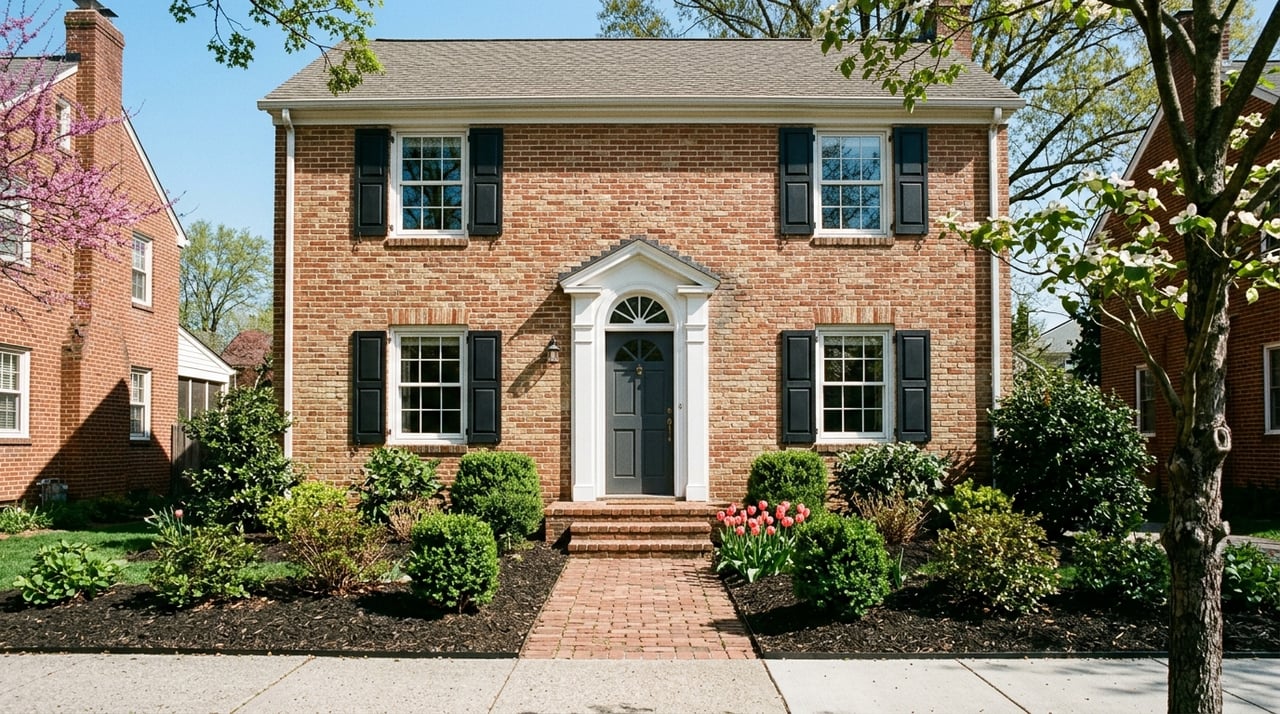
If walkable living is high on your list, Falls Church deserves a close look. Many buyers want the ease of grabbing coffee, running errands, visiting a park, or getting to transit without needing to drive for every small task. In Falls Church, that lifestyle is possible in the right areas, and knowing where to focus can save you time and help you make a smarter move. Let’s dive in.
What walkable living looks like in Falls Church
Falls Church is a small independent city of about 2 square miles with roughly 14,500 residents, located inside the Capital Beltway and about seven miles west of Washington, D.C. Even with its small footprint, it sits near major job and activity centers like Tysons, the Rosslyn-Ballston Corridor, and Seven Corners.
The city says its commercial areas are steadily shifting from older suburban layouts toward a more urban and walkable environment. In the city’s 2025 resident survey, walkability and small-town feel were among the features residents said they value most.
That matters if you want a lifestyle that feels connected and convenient. Falls Church is not uniformly car-free, but in the core areas, a car-light routine can be very realistic.
Where walkability is strongest
The most walkable parts of Falls Church are generally in and around the Broad Street and City Hall core. This is where daily errands, dining, civic spaces, and community activity come together in a compact setting.
Walk Score examples show how much the exact location matters. A property at 301 W Broad St scores 93, while 410 S Maple Ave scores 89. By comparison, 117 E Jefferson St scores 64, which shows that some blocks feel far more walkable than others.
Planning materials also point to several mixed-use nodes that support walkable living. Broad & Washington, Founders Row, and West Falls have added a mix of grocery options, restaurants, medical and fitness uses, a theater, and educational space.
If you are home shopping with walkability in mind, this is the key takeaway: Falls Church can support a walkable lifestyle, but it is very block-specific. Two homes in the same city can offer very different day-to-day experiences.
Daily errands are easier in the core
One reason Falls Church stands out is that many everyday needs can be handled close to downtown. The city describes itself as compact and pedestrian- and cyclist-friendly, with most shops, restaurants, and attractions within a short 5- to 10-minute walk of free public parking areas.
That mix helps if you want to leave the car parked more often. In the downtown area, city sources point to restaurants, coffee shops, groceries, a pharmacy, and specialty retail that support a main-street feel rather than a drive-only pattern.
For many buyers and downsizers, this is where Falls Church makes the strongest case. You are not just walking for recreation. You are walking to do real life.
Parks and public spaces add to the lifestyle
Walkability is not only about errands. It is also about whether your neighborhood gives you pleasant places to go on foot.
Cherry Hill Park sits at the center of civic life in Falls Church and is described by the city as its most heavily used park. It also serves as a focal point for special events and activities, which adds to the sense of connection many buyers want when they choose a more walkable area.
Berman Park adds another useful option, with a linear trail that links South Washington Street and West Broad Street. Tinner Hill Historic Park brings in an additional cultural and historic stop that expands what you can enjoy on foot.
These public spaces matter because they make walking feel practical and enjoyable. A neighborhood becomes more usable when your route includes parks, trails, and places to gather.
The farmers market supports car-light living
A strong weekly market can make a real difference if you are trying to reduce car trips. Falls Church has a year-round Saturday farmers market at City Hall with more than 50 vendors, and the city notes that it is Metro accessible.
For some households, that kind of amenity becomes part of the weekly routine. Instead of driving across town for every fresh item, you may be able to combine shopping with a walk through the city core.
It is a small detail on paper, but in real life, these kinds of habits shape how a neighborhood feels. Easy access to recurring essentials often makes walkable living more sustainable over time.
Transit access is a major advantage
Falls Church offers strong transit access for a city of its size. The city lists East Falls Church and West Falls Church as the closest Metrorail stations, and current bus routes include F50, F26, F20, and ART 55.
That gives you more flexibility if you commute, meet clients, head into Washington, or simply want options beyond driving. Transit also expands the value of walkability because being able to walk to a bus stop, bike to a station, or connect easily to regional routes can reduce total car dependence.
If your goal is not to eliminate your car but to use it less, this is an important distinction. Falls Church works well for many people as a car-light city, especially when your home is near the most connected areas.
Biking and trails strengthen mobility
Falls Church supports more than basic sidewalk access. The city is part of Capital Bikeshare, with 11 solar-powered modular stations in and around the city.
The city’s 2025 Bicycle Master Plan also added priority route design work that includes traffic calming and pedestrian safety measures. That suggests bike access is being treated as part of everyday transportation, not just weekend recreation.
The W&OD Trail is one of the city’s biggest assets. City sources describe it as a safe place to walk, skate, and bike, and the city says its segment supports more than 1,000 bicycle and pedestrian trips per day while connecting to regional activity centers and transit stations.
Recent crossing upgrades completed in 2025 strengthen that network further. Combined with trail links and redevelopment planning near West Falls Church Metro and I-66, this adds another layer of mobility for buyers who want choices in how they get around.
Can you live here without a car?
For some households, yes, especially if you live in or near the city core or another mixed-use node tied to transit and trails. If your daily routine centers on nearby dining, basic errands, parks, and Metro access, Falls Church can support that well.
Still, the honest answer depends on the exact block and on your lifestyle. Some addresses are highly walkable, while others are more moderate, so your day-to-day experience may change significantly from one part of the city to another.
This is where local guidance matters. If walkability is one of your top priorities, it helps to look beyond the city name and evaluate how each address connects to stores, parks, transit, and routine destinations.
Who Falls Church fits best
Falls Church can be a strong match for buyers who want a more connected lifestyle without giving up access to the broader Northern Virginia region. It may appeal to downsizers, first-time buyers, relocating professionals, and anyone who wants easier access to errands and transit in a smaller setting.
It can also work well if you like the idea of a main-street environment with community amenities close by. The mix of civic spaces, trail access, restaurants, and practical services creates a lifestyle that feels active without requiring a fully urban environment.
The best fit usually comes down to priorities. If you want walkability first, focus closely on homes near Broad Street, the City Hall area, Founders Row, Broad & Washington, West Falls, and transit-connected locations.
The bottom line on walkable living
Falls Church makes a compelling case for walkable living, but not in a one-size-fits-all way. Its strongest areas combine errands, dining, parks, and transit in a compact footprint, and city planning continues to push that direction forward.
The biggest takeaway is simple: the exact block matters. In the right location, Falls Church can support a convenient, car-light lifestyle with real day-to-day benefits.
If you are comparing neighborhoods or trying to decide whether a specific address fits your routine, a block-by-block view is the smartest way to approach the search. If you want help narrowing down homes in Falls Church based on walkability, commute needs, and daily convenience, reach out to Betsy Voegtlin.
FAQs
Is Falls Church, VA good for walkable living?
- Yes, Falls Church is a strong option for walkable living in the right areas, especially near the Broad Street and City Hall core, Founders Row, and other mixed-use nodes.
Which parts of Falls Church are most walkable?
- The most walkable areas are generally downtown Broad Street, the City Hall and Cherry Hill area, Broad & Washington, Founders Row, and parts of West Falls.
Can you live in Falls Church without a car?
- In some locations, yes. Living near the city core, transit, and daily amenities can make a car-light lifestyle realistic, though the answer depends on the exact address and your routine.
Does Falls Church have good public transit?
- Yes. Falls Church has access to the nearby East Falls Church and West Falls Church Metro stations, along with bus routes including F50, F26, F20, and ART 55.
Are there trails and bike options in Falls Church?
- Yes. Falls Church is part of Capital Bikeshare, has 11 bikeshare stations in and around the city, and includes access to the W&OD Trail, which supports daily walking and biking trips.